
How to Taper Off Alcohol The Recovery Village Palm Beach at Baptist Health
A doctor can assess your risk of severe withdrawal symptoms, such as seizures or delirium tremens, and may prescribe medications like benzodiazepines or anticonvulsants to manage symptoms safely. They can also refer you to specialist services like local alcohol support teams or NHS programs tailored to your needs. People learning how to taper off alcohol safely while managing depression, anxiety, or trauma benefit most from integrated dual diagnosis programs. These specialized services bring together addiction professionals, therapists, and psychiatrists, ensuring mental health and alcohol withdrawal are addressed together5.
- If you’re living with alcohol use disorder, treatment at a medical rehabilitation facility is your best option.
- This systematic approach prevents both underestimating dangerous symptoms and unnecessary medication risks.
- After several days of 5 glasses of wine, you can reduce that down to 4.
- There are lots of well-meaning sources out there that recommend that you go through withdrawal from alcohol by simply cutting out your drinking.
Guidelines for Creating an Effective Alcohol Taper Schedule
If setbacks occur, view them as learning opportunities rather than failures. With patience and persistence, these alternative coping strategies become second nature, paving the way for a healthier, alcohol-free life. If you drink heavily, trying to taper at home without medical input can be risky. Health professionals understand the safety and effectiveness of alcohol tapering and can guide you in gradually decreasing alcohol in a way that avoids emergencies. Benzodiazepines (also known as “benzos”) are a type of medication often prescribed to help people going through alcohol withdrawal. They work by calming the brain and body, https://ecosoberhouse.com/ reducing anxiety, and preventing seizures that can happen during this time.
Why Is Alcohol Withdrawal Dangerous?
People who want to reduce their alcohol consumption often do not realize how much of their social and daily routines alcohol has become. Tapering alcohol may be uncomfortable, and there may be subconscious triggers that stimulate the desire to drink alcohol. Stress is a common trigger that makes it hard to modify your alcohol intake. Finding a different, more healthy way to unload stress may go a long way in helping someone succeed in cutting back on their alcohol use. When you quit alcohol cold turkey, you quit drinking completely and suddenly. Tapering off alcohol helps some people start their recovery journeys.
- The kindling effect is an important reason to approach quitting and seek professional guidance seriously.
- You might substitute those spirits with beer or wine in a substitution taper.
- You may notice uncomfortable withdrawal symptoms and strong alcohol cravings, but with the right strategies, you can manage them safely and lower your risk of relapse.
- When alcohol is suddenly removed, this compensation creates an imbalance that manifests as withdrawal symptoms.
- Honest self-assessment shapes effective plans for how to taper off alcohol safely.
What to Know About Tapering Off Alcohol

To taper off alcohol means you gradually cut back on the amount of alcohol you consume until you reach zero or a safer level. Whether you are getting treatment or aren’t ready to stop drinking alcohol yet, there are ways for you to be a little safer while drinking. These tips come from a community group in Vancouver called EIDGE (Eastside Illicit Drinkers Group for Education). These are the types of medications that are usually used when treating alcohol withdrawal. Shaking in one or more areas of the body can also happen because of alcohol withdrawal, but it is not the same as DTs. These are offered to patients with moderate to severe Alcohol Use Disorder, having the goal of reducing alcohol comsumption and achieving abstinence.
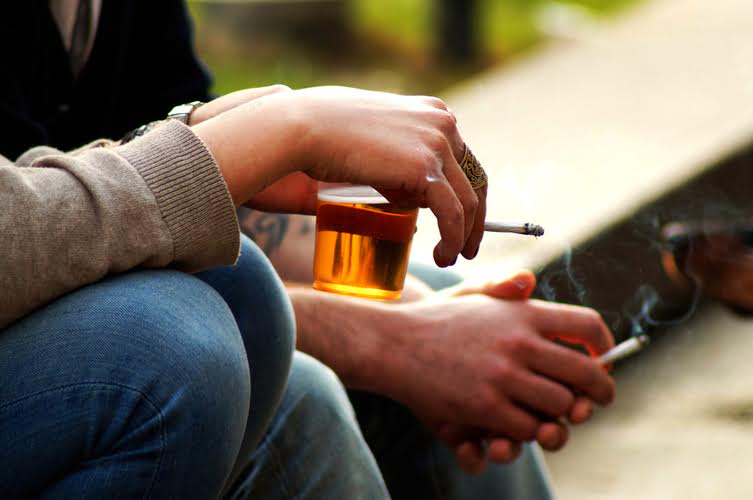
To safely taper off alcohol, it is crucial to seek medical advice and supervision. Your doctor can determine whether you need to undergo a medical detox program tapering off alcohol or if tapering at home is a viable option. They may also prescribe medications to help manage withdrawal symptoms and reduce cravings.
With patience, professional guidance, and strategic tools, tapering off alcohol becomes a manageable journey toward long-term health. A safe reduction is typically 10–20% of your daily alcohol intake each day. For example, if you drink 10 drinks daily, reduce by 1–2 drinks per day. However, a healthcare provider should tailor this plan to your specific needs. The speed of tapering off alcohol isn’t Twelve-step program one-size-fits-all—it hinges on how much and how often you drink.
People who have a severe reaction to quitting alcohol should seek emergency treatment. A severe case of alcohol withdrawal can lead to complications, some of which can be life-threatening. To prevent this, your doctor may suggest a treatment program where you stay overnight. That way, you can get 24-7 support for your mental health and physical symptoms. Heavy drinking can lead to a reduction in the sensitivity of your brain to the amount of GABA produced. If you suddenly stop consuming alcohol, your brain may not have enough sensitivity to GABA, which can result in hyper-excitability and withdrawal symptoms.


Σχετικά με τον συντάκτη


