
Nicaragua Sanctions Understanding Their Scope and Implications 1505726004

Nicaragua Sanctions: Understanding Their Scope and Implications
The sanctions against Nicaragua have become a focal point in discussions about international relations and human rights. As various countries react to the political climate in Nicaragua, understanding these sanctions and their implications is crucial. For an in-depth regulatory overview and the implications of these sanctions, one can refer to information on Nicaragua sanctions http://projectev.co.uk/pages/nicaragua-sanctions-regulatory-overview-and-implications.html. This article aims to delve into the background, current status, and consequences of the sanctions imposed on Nicaragua.
1. Background of Nicaragua Sanctions
Nicaragua has faced sanctions primarily due to allegations regarding human rights violations, corruption, and the erosion of democracy. The United States, European Union, and other nations have enacted a series of measures aimed at individuals and entities linked to the Nicaraguan government. These sanctions are designed to apply pressure on the regime led by President Daniel Ortega and Vice President Rosario Murillo, who have been criticized for their authoritarian practices, silencing dissent, and election irregularities.
2. Key Legislative Framework
The legal basis for these sanctions primarily stems from several U.S. legislative acts such as the NICA Act (Nicaraguan Investment Conditionality Act) introduced in 2018, which restricts U.S. financial assistance to Nicaragua and attempts to influence international financial institutions to deny loans and aid. Additionally, the Global Magnitsky Human Rights Accountability Act has been utilized to impose sanctions against Nicaraguan officials involved in human rights abuses.
Similarly, the European Union has implemented its sanctions, primarily targeting government officials and their business associates. The list of sanctioned individuals continues to grow as evidence of misconduct emerges.
3. Types of Sanctions Imposed
The sanctions range from asset freezes and travel bans to restrictions on financial transactions. Specifically, they include:
- Asset Freezes: Financial assets of sanctioned individuals and entities are frozen, preventing them from accessing their funds held in foreign accounts.
- Travel Bans: Sanctioned individuals are prohibited from entering or transiting through various jurisdictions.
- Trade Restrictions: Certain commodities and goods have restricted import/export capabilities with Nicaragua.
4. Impact on Nicaraguan Society and Economy
The impact of sanctions on Nicaragua has been profound. While aimed at the government and specific individuals, the repercussions often extend to the general population. The economic situation in Nicaragua has further deteriorated as a result of these sanctions, leading to higher inflation, reduced foreign investment, and overall economic instability.
Small businesses and everyday citizens bear the brunt of these sanctions, with limited access to international markets and financial services. Essential goods become scarcer and more expensive, exacerbating poverty levels and social unrest.
5. International Reactions and Diplomatic Consequences
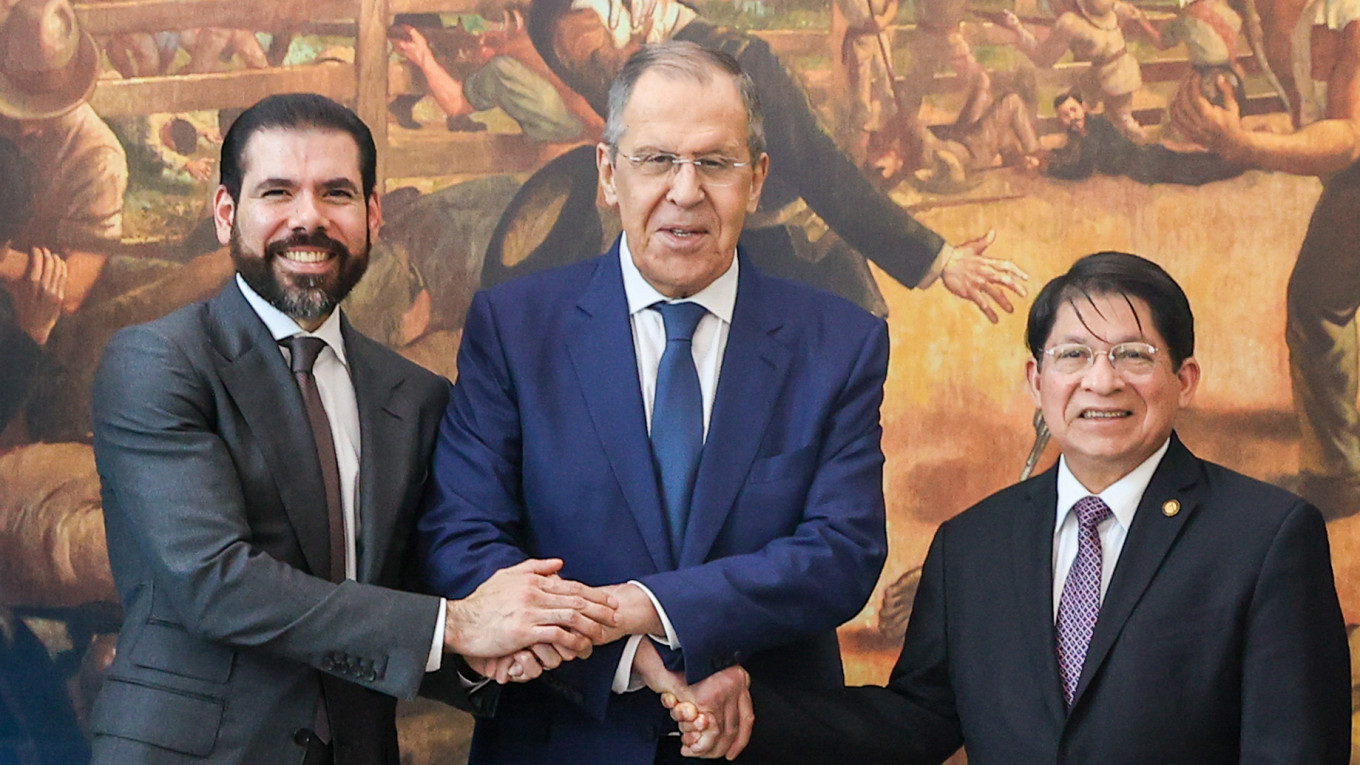
Internationally, the sanctions have elicited mixed reactions. Supporters argue that sanctions are a necessary tool to hold the Nicaraguan regime accountable for its actions and to promote respect for human rights. Critics, however, contend that sanctions may disproportionately affect ordinary citizens while failing to effect change at the top levels of government.
Countries in the region and international organizations have called for a dialogue-inclusive approach that prioritizes peaceful negotiations rather than punitive measures. However, the Nicaraguan government’s stance has often been defensive and dismissive of external criticism, further complicating diplomatic relations.
6. The Role of Civil Society and Activism
Within Nicaragua, civil society organizations and local activists have been at the forefront of opposition against the regime. They have sought to raise awareness about human rights abuses and the detrimental impacts of sanctions on the population. Activists argue that while they support efforts to hold the government accountable, they advocate for strategies that mitigate the humanitarian impact these sanctions may have.
7. Prospects for Change
The future of sanctions on Nicaragua is uncertain. While the international community remains focused on addressing human rights violations, the prospects for diplomatic solutions or the easing of sanctions seem remote under the current administration. In the absence of significant political reform or concessions by the Nicaraguan government, it is likely that sanctions will remain in place or be tightened further.
Conclusion
Sanctions against Nicaragua are a complex and multi-faceted issue, rooted in the ongoing struggle for democracy and human rights within the country. As the situation continues to evolve, both the international community and Nicaraguan society must navigate the tricky waters of sanctions, seeking solutions that uphold human rights while also considering the broader humanitarian consequences. Understanding the implications of these sanctions is crucial for anyone engaged in discussions about the future of Nicaragua and international relations in the region.


Σχετικά με τον συντάκτη


